---
title: "Social Connection and Senior Health: The Link that Enhances Overall Well-Being"
description: Discover how social connection and senior health are linked. Learn how meaningful interaction supports emotional, cognitive, and physical well-being.
image: https://blog.vivage.com/hubfs/shutterstock_2383029597.jpg
---
[303-238-3838](tel:%20%20303-238-3838) [Contact Us](https://www.vivage.com/contact-vivage-senior-living/) [Interested in a career?](https://vivagebeecan.isolvedhire.com/pages/jobsbylocation/)
- Who We Are
- [About Vivage](https://www.vivage.com/who-we-are/about-vivage-senior-living/)
- [Management](https://www.vivage.com/services/senior-living-management/)
- [Consulting](https://www.vivage.com/consulting-services/)
- [Affiliates](https://www.vivage.com/who-we-are/affiliates-business-partners/)
- [Compliance](https://www.vivage.com/who-we-are/compliance-process/)
- [Testimonials](https://www.vivage.com/who-we-are/reviews-testimonials/)
- [Our Team](https://www.vivage.com/our-team/)
- Services
- [Management](https://www.vivage.com/services/senior-living-management/)
- [Consulting](https://www.vivage.com/consulting-services/)
- [Memory & Dementia Care](https://www.vivage.com/services/memory-dementia-care/)
- [MS/Neurological Disorders](https://www.vivage.com/services/ms-neurological-disorders/)
- [Post-Hospitalization](https://www.vivage.com/services/post-hospitalization-rehabilitation/)
- [Long-Term Care](https://www.vivage.com/services/long-term-care/)
- [Dialysis](https://www.vivage.com/services/dialysis/)
- [Behavioral Health](https://www.vivage.com/services/behavioral-mental-health/)
- [Short-Term Stay](https://www.vivage.com/services/short-term-respite-care/)
- [Life Enhancement](https://www.vivage.com/services/life-engagement-and-amenities/)
- [Hispanic Program](https://www.vivage.com/communities/parkview/)
- Growth
- [Career Opportunities](https://vivagebeecan.isolvedhire.com/pages/jobsbylocation/)
- [Education](https://www.vivage.com/consulting-services/education/)
- Our Communities
- [Colorado Communities](https://www.vivage.com/our-senior-living-communities/colorado/)
- [Nevada](https://vivage.com/our-senior-living-communities/nevada/)
- [Eden Alternative](https://www.vivage.com/discover-eden-alternative/)
- Resources
- [Blog](https://blog.vivage.com/)
- [Free eBooks & Tools](https://www.vivage.com/resources/care-tools-resources/)
- [Employee Resources](https://vivage.com/resources/employee-resources/)
- [News & Press Releases](https://www.vivage.com/resources/news-press-releases/)
- [White Papers](https://www.vivage.com/resources/white-papers/)
- [Presentations](https://www.vivage.com/resources/presentations/)
- [COVID-19 Response](https://www.vivage.com/covid-19-updates/)
- Who We Are
- [About Vivage](https://www.vivage.com/who-we-are/about-vivage-senior-living/)
- [Management](https://www.vivage.com/services/senior-living-management/)
- [Consulting](https://www.vivage.com/consulting-services/)
- [Affiliates](https://www.vivage.com/who-we-are/affiliates-business-partners/)
- [Compliance](https://www.vivage.com/who-we-are/compliance-process/)
- [Testimonials](https://www.vivage.com/who-we-are/reviews-testimonials/)
- [Our Team](https://www.vivage.com/our-team/)
- Services
- [Management](https://www.vivage.com/services/senior-living-management/)
- [Consulting](https://www.vivage.com/consulting-services/)
- [Memory & Dementia Care](https://www.vivage.com/services/memory-dementia-care/)
- [MS/Neurological Disorders](https://www.vivage.com/services/ms-neurological-disorders/)
- [Post-Hospitalization](https://www.vivage.com/services/post-hospitalization-rehabilitation/)
- [Long-Term Care](https://www.vivage.com/services/long-term-care/)
- [Dialysis](https://www.vivage.com/services/dialysis/)
- [Behavioral Health](https://www.vivage.com/services/behavioral-mental-health/)
- [Short-Term Stay](https://www.vivage.com/services/short-term-respite-care/)
- [Life Enhancement](https://www.vivage.com/services/life-engagement-and-amenities/)
- [Hispanic Program](https://www.vivage.com/communities/parkview/)
- Growth
- [Career Opportunities](https://vivagebeecan.isolvedhire.com/pages/jobsbylocation/)
- [Education](https://www.vivage.com/consulting-services/education/)
- Our Communities
- [Colorado Communities](https://www.vivage.com/our-senior-living-communities/colorado/)
- [Nevada](https://vivage.com/our-senior-living-communities/nevada/)
- [Eden Alternative](https://www.vivage.com/discover-eden-alternative/)
- Resources
- [Blog](https://blog.vivage.com/)
- [Free eBooks & Tools](https://www.vivage.com/resources/care-tools-resources/)
- [Employee Resources](https://vivage.com/resources/employee-resources/)
- [News & Press Releases](https://www.vivage.com/resources/news-press-releases/)
- [White Papers](https://www.vivage.com/resources/white-papers/)
- [Presentations](https://www.vivage.com/resources/presentations/)
- [COVID-19 Response](https://www.vivage.com/covid-19-updates/)
# Social Connection and Senior Health: The Link that Enhances Overall Well-Being
Published by [Vivage](https://blog.vivage.com/author/vivage) on May 1, 2026, 8:00:00 AM
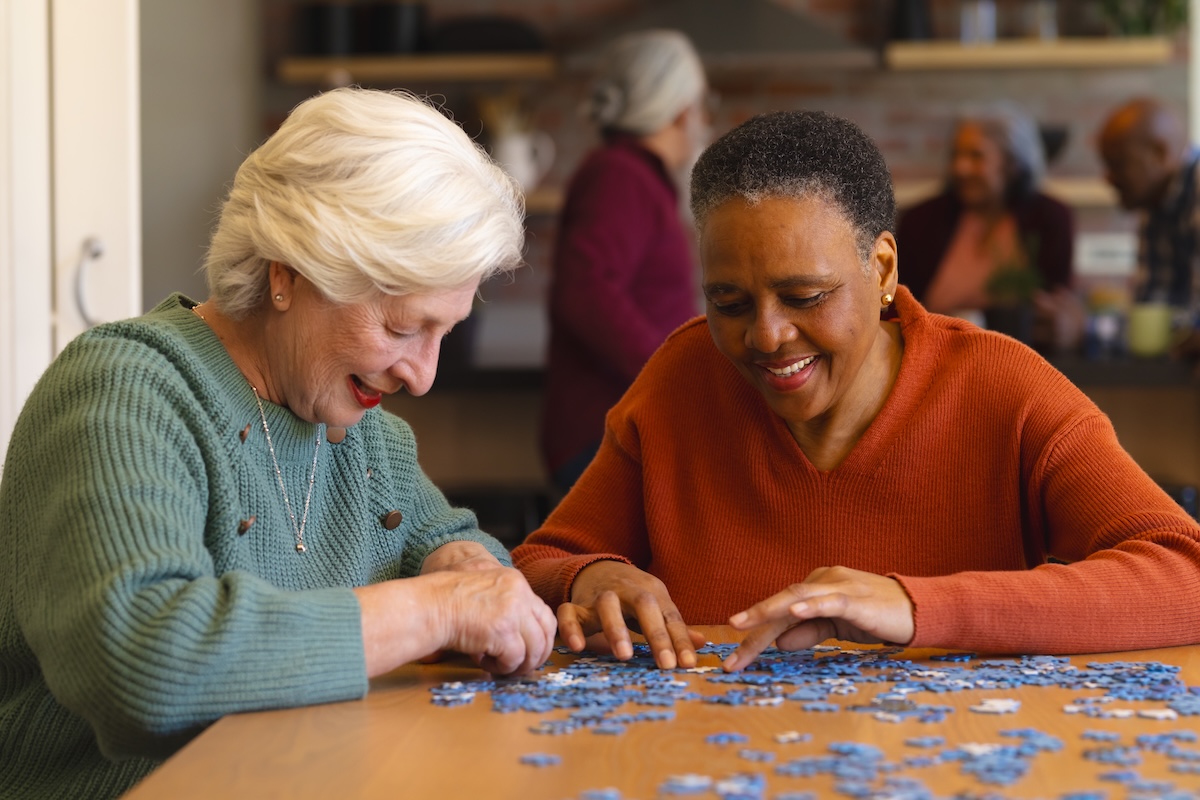
Some days feel different simply because they’re shared with someone else. A conversation at the table, a familiar face in the hallway, or a moment of laughter can shape how the rest of the day unfolds.
For older adults, those everyday interactions carry real weight. The connection between social connection and senior health plays an important role in emotional well-being, cognitive function, and overall quality of life.
When connection is part of the day, it helps people stay engaged, active, and more in tune with what’s around them. Without it, even simple routines can start to feel longer and more difficult to navigate. Over time, that shift can affect both mood and overall well-being.
### **The Role of Connection in Everyday Well-Being**
As routines change with age, opportunities for social interaction can shift. Retirement, changes in mobility, or the loss of friends and loved ones may lead to fewer daily connections. What may begin as occasional quiet time can gradually become isolation.
Consistent [social interaction](https://newsinhealth.nih.gov/2017/02/do-social-ties-affect-our-health) helps provide structure and purpose throughout the day. Simple moments, such as sharing a meal, participating in an activity, or having a conversation, can bring a sense of normalcy and engagement that supports overall wellness.
Connection has a real impact on how people feel day to day. Staying socially engaged can support memory, lift mood, and help older adults feel more grounded and involved in their daily lives. Over time, these small moments of interaction play an important role in overall well-being.
### **Emotional and Cognitive Benefits of Staying Connected**
Connection supports more than companionship. It plays a key role in how individuals think, feel, and respond to the world around them.
Regular social interaction can help:
- Maintain memory and cognitive function
- Reduce feelings of loneliness or anxiety
- Encourage participation in daily activities
- Improve overall mood and sense of purpose
For individuals experiencing memory loss or cognitive changes, familiar faces and consistent interaction can provide comfort and stability. Even small, repeated interactions can help reinforce a sense of belonging.
### **The Physical Impact of Social Engagement**
The link between social connection and senior health also extends to physical well-being. Individuals who remain socially active are often more likely to stay physically engaged, follow care plans, and maintain daily routines.
Social environments can support:
- Increased movement and participation in activities
- Better appetite and nutritional habits
- Greater adherence to therapy or treatment plans
- Reduced risk of hospital readmissions
These benefits often work together, creating a more stable and supportive path toward long-term health.
### **When Isolation Begins to Affect Daily Life**
Isolation doesn’t always look obvious. It can appear as quieter days, fewer conversations, or a gradual withdrawal from activities that once felt enjoyable.
Some signs that social connection may be decreasing include:
- Reduced interest in hobbies or group activities
- Changes in mood or energy
- Less communication with friends or family
- Increased time spent alone
Recognizing these changes early can help families explore ways to reintroduce connection and support before isolation becomes more impactful.
### **Creating Opportunities for Connection**
Supporting connection doesn’t always require major changes. Small, consistent efforts can help reintroduce routine and engagement.
This might include:
- Scheduling regular visits or calls
- Encouraging participation in group activities
- Sharing meals together when possible
- Exploring structured environments that offer built-in social opportunities
[Communities](https://blog.vivage.com/personalized-care-plans-for-seniors) like Vivage-Beecan are designed to support both care and connection. Through shared spaces, daily programming, and team engagement, residents have opportunities to interact in ways that feel natural and comfortable.
**If you’re noticing a shift in engagement or wondering how to support more connection, our team at Vivage-Beecan is here to share ideas and** [**resources**](https://vivage.com/resources/care-tools-resources/) **that can help.**
### **The Value of Community in Daily Life**
In supportive environments like senior care homes, connection becomes part of the daily rhythm. Conversations happen more naturally, activities are easier to access, and individuals are surrounded by others who understand similar experiences.
For many families, this leads to meaningful changes. Loved ones may become more engaged, more responsive, and more comfortable in their day-to-day routines. Caregivers often find that visits feel less focused on logistics and more centered on time together.
These shifts reflect the deeper relationship between social connection and senior health, where consistent interaction supports both emotional and physical well-being.
### **Key Takeaways**
- Social connection plays a critical role in both emotional and physical health.
- Strong relationships and daily interaction can support memory, mood, and overall well-being.
- Isolation can develop gradually but has meaningful impacts over time.
- Supportive environments, including senior care homes, help create opportunities for regular connection.
- Small, consistent moments of interaction can make a lasting difference.
## **Moving Forward with Support**
Connection is not always something that needs to be rebuilt all at once. Often, it begins with small, steady steps: a conversation, a shared activity, or a more [supportive](https://blog.vivage.com/supporting-transitions-senior-care-homes) environment.
Making care decisions can feel overwhelming. If you’d like guidance, the team at [Vivage-Beecan](https://vivage.com/contact-vivage-senior-living/) is here to share resources, answer questions, and help you explore options whenever you’re ready.
Tags: [Health & Wellness](https://blog.vivage.com/tag/health-wellness)
[Back to Blog](https://blog.vivage.com)
## Related Articles
## [Post-Hospitalization Rehab vs. Skilled Nursing Care](https://blog.vivage.com/post-hospitalization-rehab-vs.-skilled-nursing-care)
Finding the right care after a hospital stay can be overwhelming. Whether recovering from surgery,...
[Read More](https://blog.vivage.com/post-hospitalization-rehab-vs.-skilled-nursing-care)
## [How Community Living Combats Senior Isolation](https://blog.vivage.com/community-living-combats-social-isolation)
Socialization is vital to our overall health and wellness. As we strive for connection and...
[Read More](https://blog.vivage.com/community-living-combats-social-isolation)
## [What to Know About Skilled Nursing Care Vs. Assisted Living](https://blog.vivage.com/skilled-nursing-vs-assisted-living)
Navigating long-term care options for an aging family member can be overwhelming, especially when...
[Read More](https://blog.vivage.com/skilled-nursing-vs-assisted-living)
[12136 W 720 S Colorado Blvd., Ste 211 Glendale, CO 80246](https://goo.gl/maps/SKSj6gLXVoAHkKRD6)
[303-238-3838](tel:%20303-238-3838)
[Contact Us](https://www.vivage.com/contact-vivage-senior-living/)
- Who We Are
- [About Vivage](https://www.vivage.com/who-we-are/about-vivage-senior-living/)
- [Management](https://www.vivage.com/services/senior-living-management/)
- [Consulting](https://www.vivage.com/consulting-services/)
- [Affiliates](https://www.vivage.com/who-we-are/affiliates-business-partners/)
- [Compliance](https://www.vivage.com/who-we-are/compliance-process/)
- [Testimonials](https://www.vivage.com/who-we-are/reviews-testimonials/)
- [Our Team](https://www.vivage.com/our-team/)
- Services
- [Management](https://www.vivage.com/services/senior-living-management/)
- [Consulting](https://vivage.com/consulting-services/)
- [Memory & Dementia Care](https://www.vivage.com/services/memory-dementia-care/)
- [MS/Neurological Disorders](https://www.vivage.com/services/ms-neurological-disorders/)
- [Post-Hospitalization](https://www.vivage.com/services/post-hospitalization-rehabilitation/)
- [Long-Term Care](https://www.vivage.com/services/long-term-care/)
- [Dialysis](https://www.vivage.com/services/dialysis/)
- [Behavioral Health](https://www.vivage.com/services/behavioral-mental-health/)
- [Short-Term Stay](https://www.vivage.com/services/short-term-respite-care/)
- [Life Enhancement](https://www.vivage.com/services/life-engagement-and-amenities/)
- [Hispanic Program](https://www.vivage.com/communities/parkview/)
- Growth
- [Career Opportunities](https://vivagebeecan.isolvedhire.com/pages/jobsbylocation/)
- [Education](https://www.vivage.com/consulting-services/education/)
- Our Communities
- [Colorado Communities](https://www.vivage.com/our-senior-living-communities/colorado/)
- [Nevada](https://vivage.com/our-senior-living-communities/nevada/)
- [Eden Alternative](https://www.vivage.com/discover-eden-alternative/)
- [Careers](https://vivagebeecan.isolvedhire.com/pages/jobsbylocation/)
- Resources
- [Blog](https://blog.vivage.com/)
- [Free eBooks & Tools](https://www.vivage.com/resources/care-tools-resources/)
- [Employee Resources](https://vivage.com/resources/employee-resources/)
- [News & Press Releases](https://www.vivage.com/resources/news-press-releases/)
- [White Papers](https://www.vivage.com/resources/white-papers/)
- [Presentations](https://www.vivage.com/resources/presentations/)
- [COVID-19 Response](https://www.vivage.com/covid-19-updates/)
[Privacy Policy](https://vivage.com/privacy-policy/)
|
[Sitemap](https://vivage.com/sitemap/)
©2024 Vivage Senior Living. All Rights Reserved
   