Supporting Seniors Through Change: How to Ease Transitions in Care
Published by Vivage on
Dec 1, 2025, 8:00:02 AM
Change is never easy, but for older adults, transitions in care can bring unique emotional and physical challenges. Whether it’s moving to a new care environment, starting rehabilitation after a hospital stay, or adjusting to a higher level of medical support, each transition requires thoughtful planning and compassionate support.
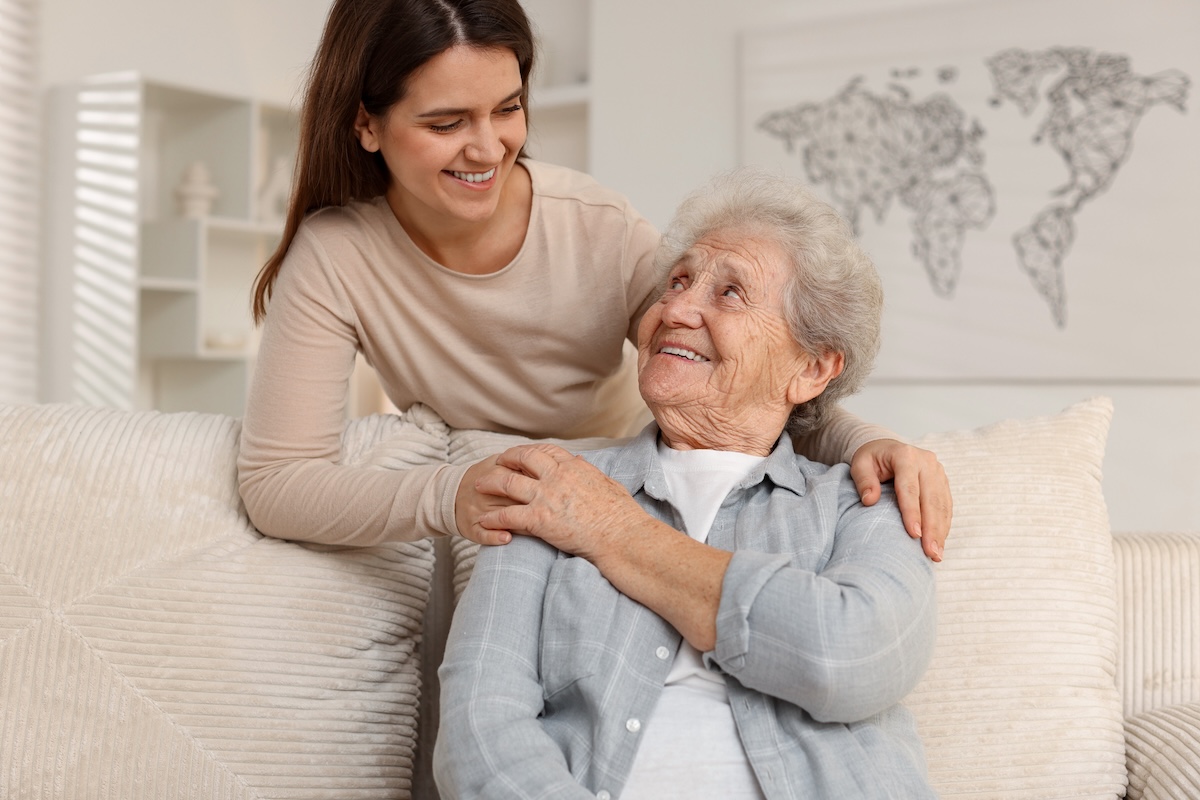
Families and caregivers play an essential role in helping ease these changes. By understanding common emotional responses and offering clear communication and steady reassurance, you can help make the process feel less overwhelming and more empowering.
In clinically focused senior care homes, team members are trained to guide families through these transitions with dignity, transparency, and personalized support every step of the way.
Common Transitions in Senior Care
Each person’s care journey is unique, but there are several key transitions that many older adults experience:
- Hospital to Rehab or Skilled Nursing: After a medical event, seniors often need short-term support in a post-acute setting before returning home or transitioning into long-term care.
- Home to Long-Term Care: When care needs become too complex to manage at home, moving into a senior care community may become necessary.
- Independent Living to Memory Care or Skilled Nursing: As cognitive or physical needs increase, individuals may shift to a more structured care setting within the same community.
- End-of-Life or Hospice Transitions: These deeply emotional shifts require gentle guidance, advanced planning, and family-centered support.
Each of these changes can stir up uncertainty, anxiety, or grief. The more families can anticipate these feelings, the better they can support their loved ones with empathy and calm.
Emotional Impact of Transitions
Transitions in care often trigger emotional responses that go beyond the practical. Seniors may feel:
- A loss of independence or control
- Anxiety about unfamiliar people or routines
- Fear of abandonment or isolation
- Frustration over declining abilities
These reactions are normal, and they deserve validation. One of the best things caregivers can do is acknowledge these feelings without minimizing them. Offering steady encouragement and involving your loved one in decisions, when possible, can help rebuild confidence and trust.
Tips to Make Transitions Smoother
Supporting your loved one through change involves both preparation and presence. Here are a few ways to help ease the process:
1. Start the Conversation Early
Introduce the idea of care transitions before a crisis arises. Having time to discuss options and visit communities helps the process feel less rushed and more collaborative.
2. Be Clear, Calm, and Honest
Use simple, respectful language when explaining why a change is happening. Focus on the benefits: increased safety, more support, or an opportunity for recovery.
3. Involve the Care Team
Professionals in senior care homes can offer insight, reassurance, and structure during uncertain times. Lean on them as allies during the transition.
4. Personalize the Environment
Whether it’s bringing in a favorite blanket, family photos, or music your loved one enjoys, familiar touches can help new spaces feel like home.
5. Stay Connected
Consistent visits, phone calls, or video chats help maintain emotional bonds and show your loved one they are not alone.
The Role of Senior Care Homes in Transition Support
Well-equipped senior care homes understand that change doesn’t happen in a vacuum. Experienced care teams provide personalized transition plans, therapy services, and emotional support to help residents adapt at their own pace. From coordinating medical care to helping new residents settle into a daily routine, these teams are trained to create smooth, supportive pathways into every new stage of care.
Families also benefit from ongoing education, family meetings, and regular updates, ensuring that no one is navigating the transition alone.
Key Takeaways
- Care transitions are emotional and complex. Anticipating your loved one’s concerns and validating their feelings can make a significant difference.
- Communication and preparation are key. Introduce care changes early, and involve your loved one in decision-making when possible.
- Senior care homes offer vital support during transitions. With trained staff, individualized care plans, and family collaboration, these communities help ensure smoother, safer shifts in care.
- Connection eases the process. Staying involved and present, both physically and emotionally, helps maintain trust and comfort through any change.
If you’re preparing for a transition in care, the team at Vivage-Beecan is here to help. Our clinically focused approach ensures each resident receives the support they need to feel safe, respected, and at home, even during times of change. Contact us today to learn more about our care options.